
The empathise stage involved semi-structured interviews and empathy mapping to understand visitor needs and experiences within exhibition spaces.
Five participants were interviewed. Across all participants, a clear pattern emerged: engagement often occurred when there was something to discover. Most described moving politely through gallery spaces without really stopping.
Goes to galleries occasionally. Described his last visit as "a lot of nodding and moving on". Couldn't recall a moment of real engagement. On interaction: "I always feel like I'm not supposed to touch anything or get too close- there's an unspoken rule."

Goes to grad shows a few times a year, mostly to support friends. Says she usually walks the whole space first to get a feel for it, then goes back to things that caught her eye. When asked about engagement: "if there's a piece I can pick up- I spend way longer on it than anything else in the room." On wall text: "I read it if I'm confused but honestly it usually kills it for me."

Rarely visits exhibitions. Said he often feels like a passive spectator- "you're kind of just filing through". Most memorable experience involved a darkened room where sound changed depending on where you stood. "I didn't really get it but I kept moving around and was there for ages, in the end!"
Engagement in gallery spaces often happens when there is something to discover - yet many exhibitions give visitors little reason to stop or look closely, leaving them feeling like passive spectators.

How Might We Questions (HMW)
The ideate stage explores a range of creative responses to the "How Might We" questions through brainstorming, mood boards, colour palettes, and visual inspiration.
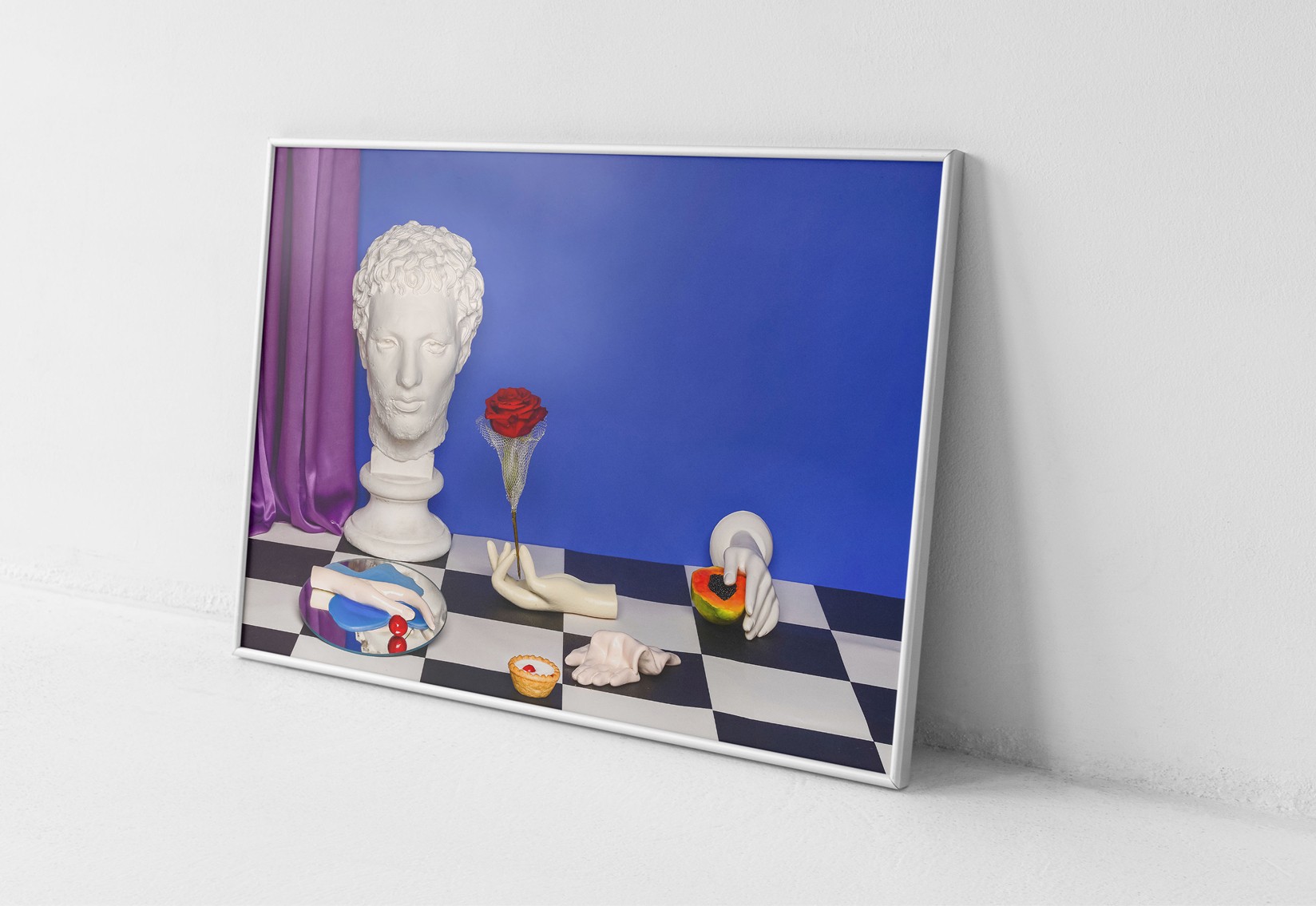
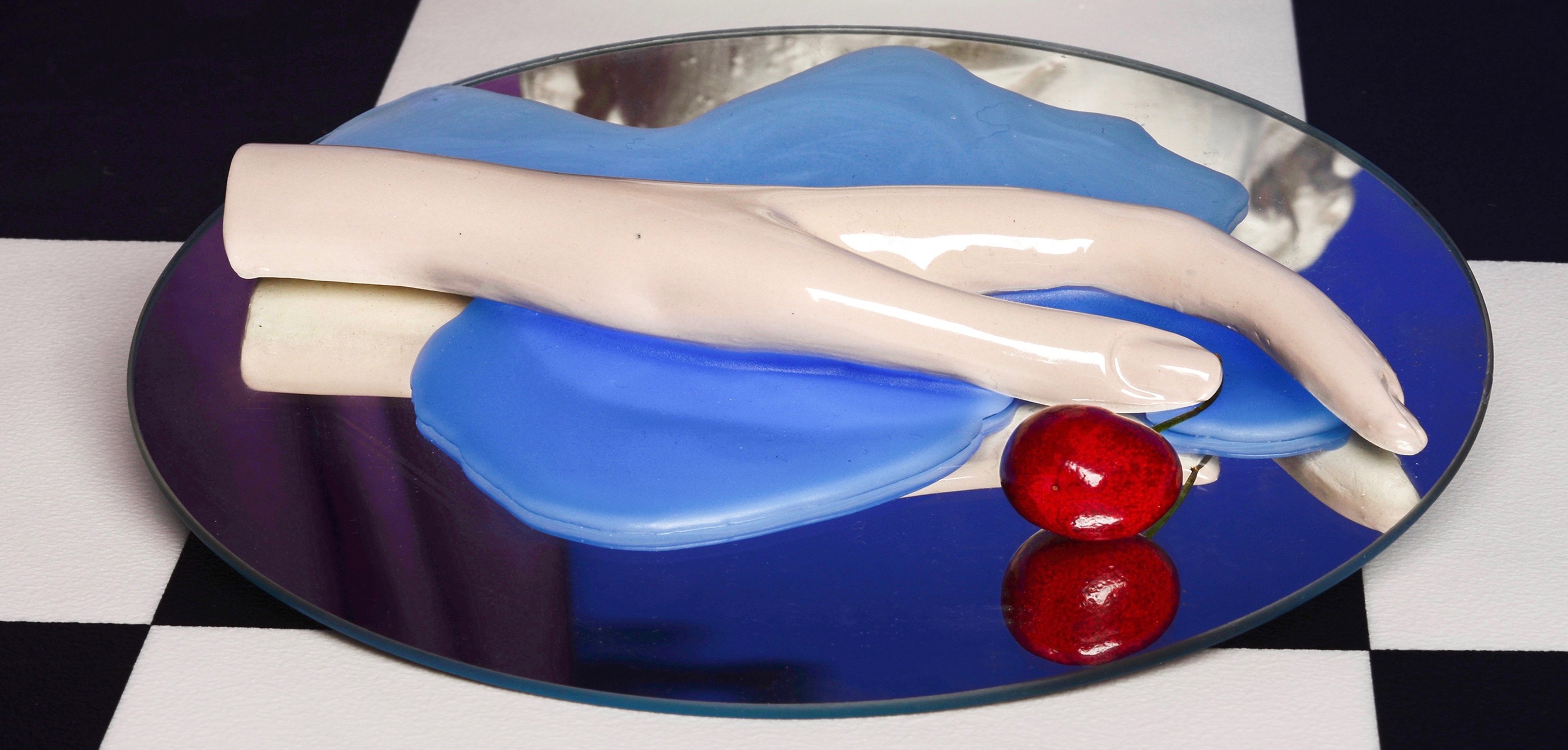
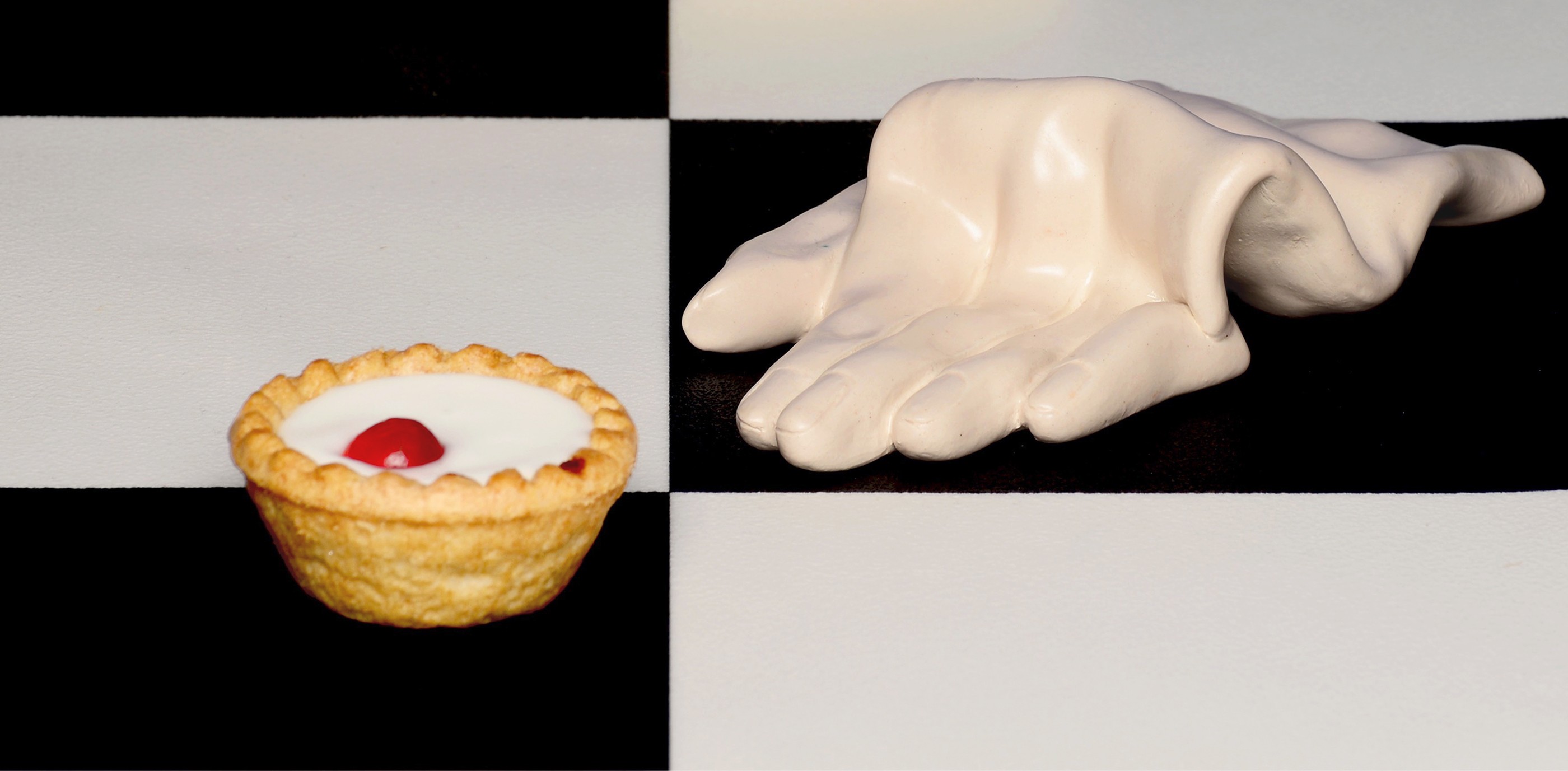
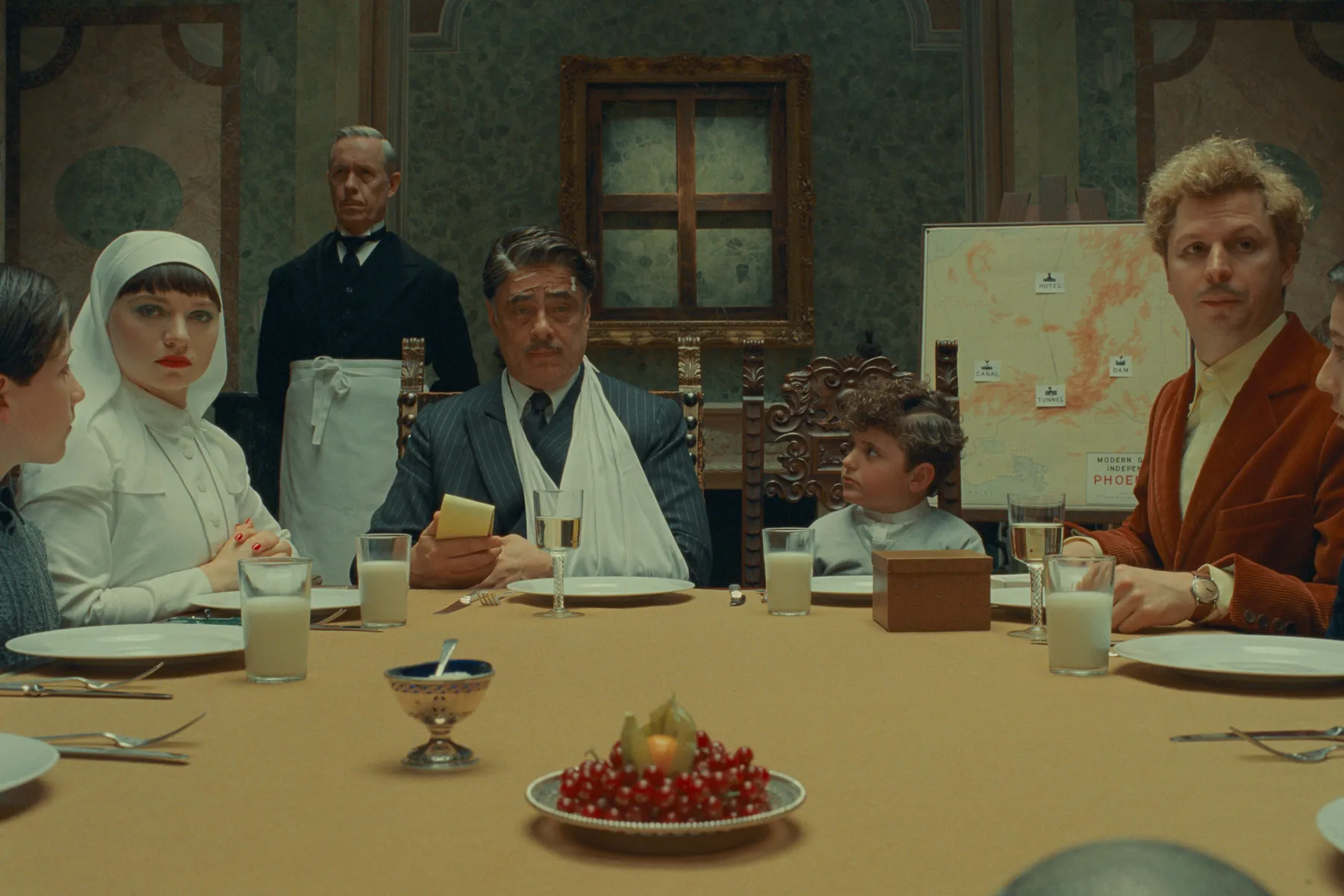
Four reference clusters shaped the direction of the piece - surreal aesthetics, themes of desire and over-consumption, theatrical set design, and AR interaction references.


Twin peaks
The Substance


Baroque Still-Life Paintings
Tim Walker
Wes Anderson



1950's
American Food Adverts


Team Lab
Insta Filters


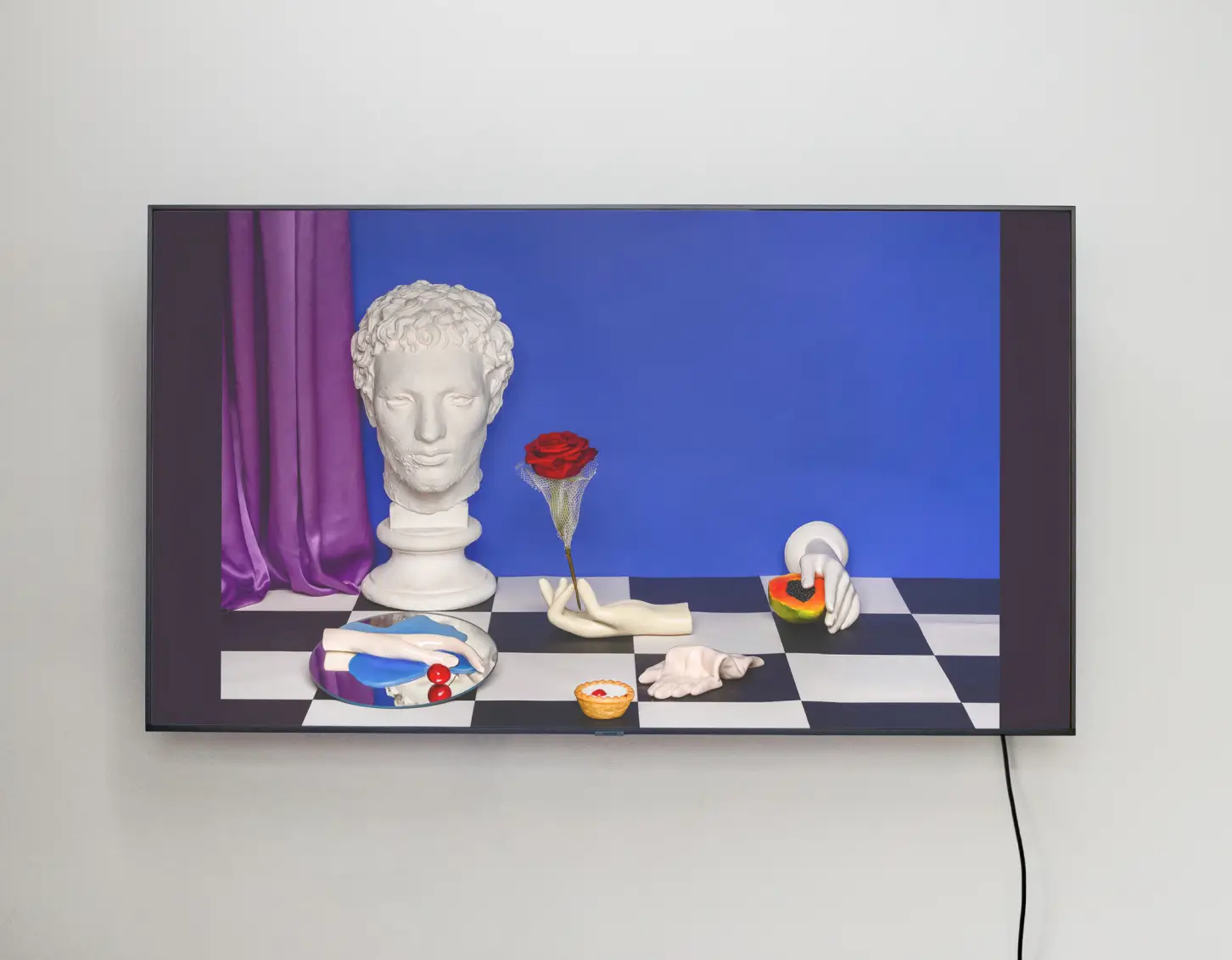
The photograph was then used as the foundation for the digital layer. It was animated frame-by-frame in Photoshop and brought into Unity as an AR overlay.
To make the AR work, Vuforia was used- a tracking software that runs inside Unity. It recognises the physical set through the device camera using the photograph as a reference point, which anchors the animation to the real scene. When viewed through the device, the animation plays directly over the set.

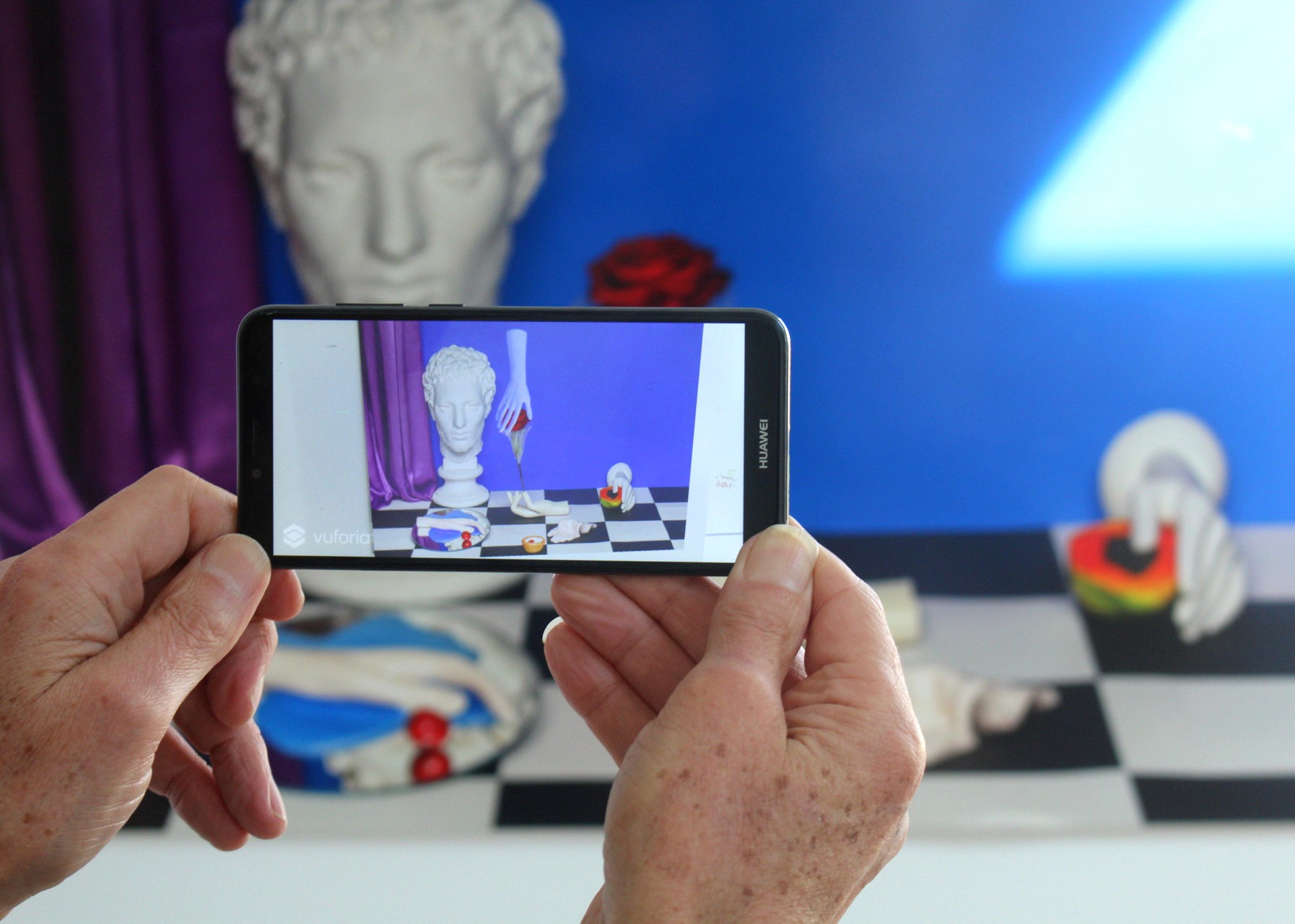
The test stage evaluates the success of the final outcome through the exhibition by observing audience interaction and gathering feedback.
The exhibit was tested at the UAL Grad Show 2019 through informal observation. In hindsight, a comparative study would have strengthened this evaluation: measuring engagement time across two groups . One with the AR and one without, to determine whether the digital experience was deepening engagement or whether the physical installation was carrying the experience independently.
